Do you need Foundation Repair?
Note we are NOT contractors and do not benefit from our recommendations.
We provide an independent assessment to determine whether foundation repair is actually required. Often, when settlement is minor, it isn’t, and we’ll tell you that plainly. Our job is to give you the truth about your home, not to sell you a repair.
What we look at
Foundation problems aren’t just about settlement. They can come from a mix of factors, and a proper assessment considers all of them:
Signs the foundation may be moving
Some of the clearest clues show up away from the foundation itself. If you’re seeing any of these, it’s worth having someone look:
These symptoms don’t automatically mean you need a repair, but they do mean the home deserves a closer look.
How the assessment works
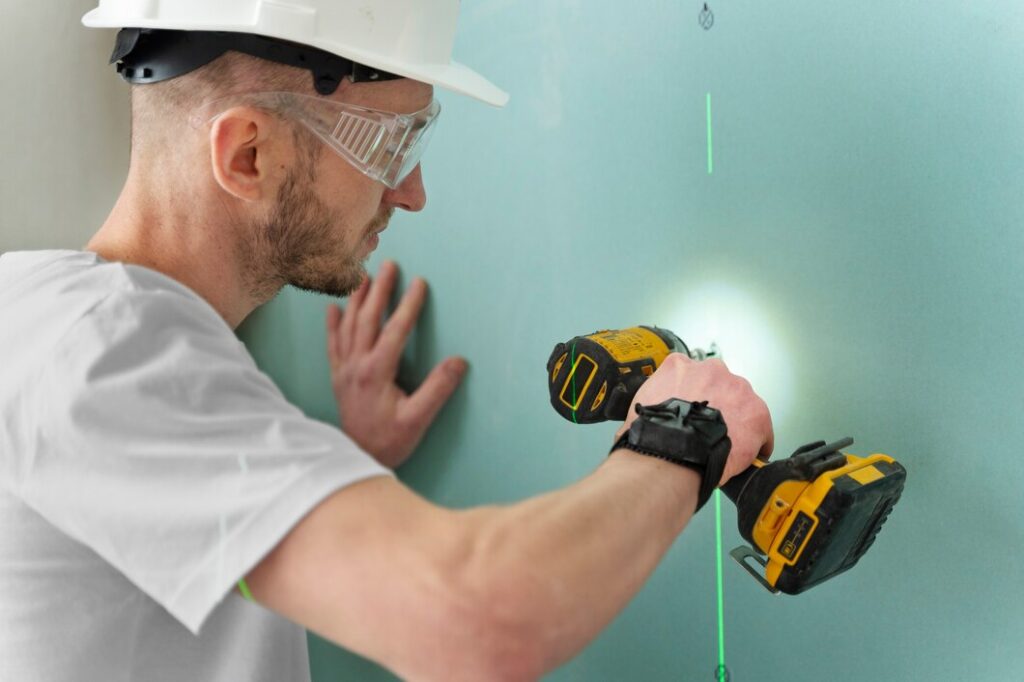
We perform a visual, non-destructive evaluation of the accessible foundation elements and the surrounding site conditions. We then consider what we see in the context of how the building as a whole is behaving. You get a written engineering report with objective observations, professional opinions, and the likely causes and contributing factors behind any distress.
Why it matters
If settlement does warrant a repair, we’ll say so, because a settled foundation can pull on the roof framing system, stressing the connections at the rafters. If those rafters are pulled apart, there’s less capacity left to resist earthquake movement. That’s a real safety issue in Orange County, and it’s worth catching early.
If a repair isn’t needed, we’ll tell you that too, and walk you through what other options you have.